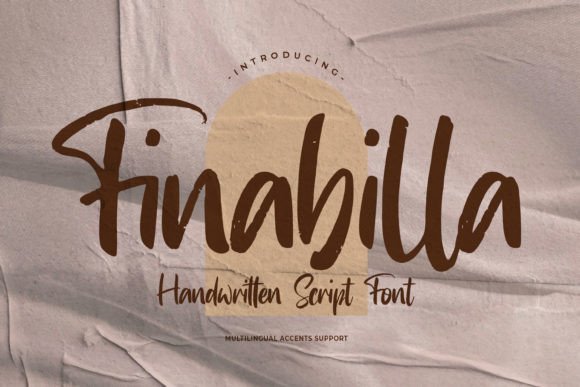
Munalisa: The Handwritten Font for Authentic Brand Identity
As a small business owner, I have learned that your brand is not just what you sell; it is how you make people feel. In the crowded digital and physical marketplace, trust is built through consistency and attention to detail. One of the most powerful yet overlooked tools in building that trust is typography. For my boutique, which focuses on handmade goods and personal care items, finding the right script font was critical. That is when I discovered Munalisa.
Munalisa is not just another decorative typeface. It is a thin, delicate, and flowing handwritten font that feels natural and adaptable. Unlike rigid or overly stylized scripts that can look artificial, Munalisa mimics the subtle imperfections and elegance of real human handwriting. This authenticity is exactly what modern consumers are looking for. When used correctly, this creative font can transform generic materials into premium brand experiences.
Why Personality Matters in Typography
Every typeface carries a mood. A bold sans serif might convey strength and reliability, while a classic serif suggests tradition and authority. Munalisa, however, speaks to intimacy, care, and sophistication. Its thin strokes and flowing connections create a sense of lightness and grace. This makes it particularly effective for businesses that want to appear approachable yet high-end.
For entrepreneurs in the lifestyle space—such as café owners, beauty brands, or wedding planners—this personality is invaluable. It helps bridge the gap between professional service and personal touch. When a customer sees Munalisa on a menu, a product label, or an Instagram post, they subconsciously associate those qualities with your brand. It signals that you care about the details, which builds credibility and encourages repeat business.
Real-World Applications for Small Businesses
The versatility of Munalisa allows it to shine across various design assets. Here is how I have integrated it into different parts of my business operations:
- Packaging Design: For my skincare line, I used Munalisa on the primary product labels. Because the font is thin and elegant, it pairs beautifully with minimalist packaging designs. It adds a layer of luxury without overwhelming the other visual elements. The PUA encoding ensures that every character looks perfect, maintaining a clean aesthetic even at smaller sizes.
- Social Media Graphics: On platforms like Instagram and Pinterest, visual appeal is everything. I use Munalisa for headlines in my promotional posts. Its flowing nature draws the eye, making static images more engaging. Whether it is a quote graphic or a new arrival announcement, the handwritten style feels personal, as if I am speaking directly to the follower.
- Thank You Cards and Stickers: Customer retention is often determined by the unboxing experience. Including a thank-you card signed with Munalisa creates a memorable impression. It feels less like a mass-produced note and more like a personal gesture from the founder. This small touch can significantly increase customer loyalty and positive reviews.
- Website Banners: While body text requires high readability, headers benefit from character. Using Munalisa for website banners or hero sections immediately sets the tone of the site. It communicates creativity and warmth before the visitor even reads the main content.
Strategic Font Pairing for Professional Results
One common mistake small business owners make is relying solely on a single display font for all their communications. While Munalisa is beautiful, its delicate nature means it needs support. To maintain a professional and consistent brand identity, pairing is essential.
I recommend pairing Munalisa with a clean sans serif font for body text and secondary information. The contrast between the organic, flowing script and the geometric precision of a sans serif creates visual interest and hierarchy. For example, use Munalisa for the brand name or key headlines, and use a simple sans serif for product descriptions, pricing, and contact details. This combination ensures that your message is both stylish and legible.
Alternatively, for a more traditional or editorial look, you can pair it with a readable serif font. This works exceptionally well for brands that want to evoke a sense of heritage or classic elegance, such as a high-end bakery or a vintage-inspired clothing store. The key is to ensure that the two fonts do not compete for attention but rather complement each other’s strengths.
Readability and Practical Considerations
While aesthetics are important, functionality cannot be ignored. As a business owner, I need my customers to read my prices, ingredients, and instructions clearly. Munalisa is designed to be delicate, which means it may lose clarity at very small sizes or low resolutions. Therefore, it is best suited as a headline, logo, or accent font rather than for long paragraphs of text.
When designing physical products like product labels or menus, always test the font size. What looks great on a large computer monitor might become illegible on a tiny sticker. Print proofs are your best friend here. Additionally, consider the medium. On mobile screens, thin lines can sometimes render poorly depending on the device. Ensure that your web design and social media graphics are optimized for high-resolution displays to preserve the font’s intricate details.
Testing Before Commitment
Before applying Munalisa to your entire brand kit, I strongly advise conducting practical tests. Create mockups of your most important materials: business cards, email signatures, and ad creatives. Review them in black and white to check for contrast issues. Ask colleagues or potential customers for feedback on whether the font aligns with the brand’s perceived value.
This process helps you avoid costly redesigns later. It also ensures that the font enhances your message rather than distracting from it. Remember, the goal is to make your business look consistent, professional, and recognizable. If Munalisa achieves that, it is a valuable addition to your design assets.
Licensing and Commercial Use
Finally, always verify the licensing terms of any commercial font you purchase. Even though Munalisa is a versatile tool for branding, using it on merchandise, templates, or client work may require specific licenses. Protect your business by ensuring you have the right to use the font for your intended purposes. This diligence not only keeps you legally safe but also reinforces your professionalism as a business owner who respects intellectual property.
In summary, Munalisa offers a unique blend of elegance and approachability that can elevate your small business’s visual communication. By using it strategically alongside complementary typefaces and respecting its limitations, you can create a cohesive and trustworthy brand presence across all touchpoints.